Shayla Bruce: Man, what a blessing to be here.
Will you all pray with me really quickly before we get started?
Heavenly Father, thank you for today.
I thank you for the blessing it is to be here as a community here on campus together.
Lord, I know that this can be a hard topic, and so I pray that if that video tugged any
nerves, that you calm them and that you give us open ears to hear you this morning, and
that you just help us to support each other when it's needed.
Lord, thank you again for this community.
be with us as we walk through today. In Jesus' name, amen.
So my name is Shayla Bruce. I'm one of the counselors in the Counseling Center,
and today I'm going to share quickly with you some warning signs of mental health crisis. We're
going to debrief that video together. Some resources to reach out if you or someone you know
is experiencing a mental health crisis, and then also resources that you can access
right here on campus. So that video showed you some warning signs of mental health crisis.
and some of those things are poor hygiene that's out of character for that person wearing the same
clothes over and over and that's not something they normally do substance abuse that is out of
character or starts to take off and get excessive really quickly when that's not something that
person usually does giving away items or saying goodbye talking about making plans to tell you
goodbye to give away things to you those are all warning signs that someone is experiencing
a mental health crisis. On the next slide, there are some numbers that you can call. That is a
crisis line, 806-740-1414. That's an anonymous reporting line, okay? And then the text line,
988, is also a crisis number that you can use. But you also have resources here on campus.
So again, we are upstairs in the sub.
That's where the counseling center is.
But I want to talk with you about the statement that you hear at LCU a lot, which is we walk with you.
I love in that video that she says somebody in her class reached out to her.
And so I want you to know that we walk with you is not something that LCU just decided would be good to market our school.
It is something that genuinely the faculty and the staff want to walk with you, want to support you.
So then you're able to mirror that when you leave here.
You are able to know what community is, how to support each other.
We want to do that for you so then you can do it for each other.
Okay?
Encourage people here on campus.
Walk with people here on campus.
Reach out if you see someone struggling.
You have access to a counseling center here on campus.
There's three professional counselors, John, Kaylin, and myself.
That's us.
I put pictures up there so you know that we're not scary people.
Okay?
It could seem kind of daunting to walk upstairs, but we're not scary.
We also have lovely student workers that are not scary.
We also have a really fun question of the day posted on our window right now.
If you just want to come by, answer the silly question.
Today it is, does Mike Wazowski blink or wink?
What does Mike Wazowski do?
You can come answer the question, pop in, say hi, get to know us.
But that's who we are.
So you've got professional mental health care that you can access here on this campus.
I put a slide in here listing some of the things that we see regularly.
And the reason I listed these things is because probably the answer is you are not the only one struggling with whatever it is that you've been struggling with.
Okay?
These things are common.
So navigating and adjusting to life changes.
This is a big jump from your life before college to your life after.
We can help navigate that adjustment.
Relationships issues.
We offer testing and diagnosis for several different things, ADHD included, spirituality, premarital counseling, substance abuse and addiction, career counseling, sexual issues and addiction, support with PTSD and traumatic events.
We are all trauma therapists in there.
We're all trained to be able to do that.
And then support through depression and anxiety.
Okay?
We are here for you.
We're here to help you.
I put our contact information on the next slide.
So the way that you can contact the counseling center, you can stop by, again, anytime, come answer our question and then just pop in, just say hi.
You can scan that QR code, and that QR code is going to take you to the link to schedule a counseling appointment or a medical clinic appointment.
And you can just pick which clinic you're trying to get to, whether it's the counseling center or the health clinic.
You can also email.
You can call.
I want to share a word with you that I feel like is important about the importance of mental health counseling,
but also about our faith and walking with Jesus through a mental health challenge.
So what I want you to know is that I firmly believe that God is still a miracle worker.
I firmly believe in the power of prayer and the power of faith and that God can do what no one else can.
I believe that first and foremost.
And I've had enough conversations with John and Kaylin in the counseling center and everybody on the student life team to know that they feel the same way as to what I'm about to tell you.
I also, in addition to that, believe in mental health.
I believe in counseling, therapy, medication when needed, and using the resources available to us.
Seeking help does not mean we don't trust God.
Going to counseling does not mean that our faith is weak.
I hear a lot that I just want to do what God has planned for me.
I just want to do the right major so I can do the job that God has for me.
But I can't get an answer and I don't have what I need and I'm not getting the sign I asked for.
Well, sometimes the answer is what God, the resource that God has placed in front of you.
Sometimes the answer to our prayer is not an instant miracle.
It's the person God places in our path.
The counselor who listens.
The doctor who helps.
the community that supports and walks with us,
or any other resources that God has made available.
God gave us the freedom to think, learn, seek, help, and make choices.
I believe those freedoms are gifts directly from the Lord.
We can pray and go to therapy.
We can trust God and take our medication.
We can have strong faith and admit that we're struggling.
We can believe in miracles and use the resources God has provided.
Faith and mental health care do not have to compete with each other.
In my opinion, they work really strongly together.
I will always believe in the power of God and the power of prayer,
and I will also never be ashamed to reach out for the help
that he may have placed right in front of me.
Let us know if we can help you.
You are dismissed.
Thank you.
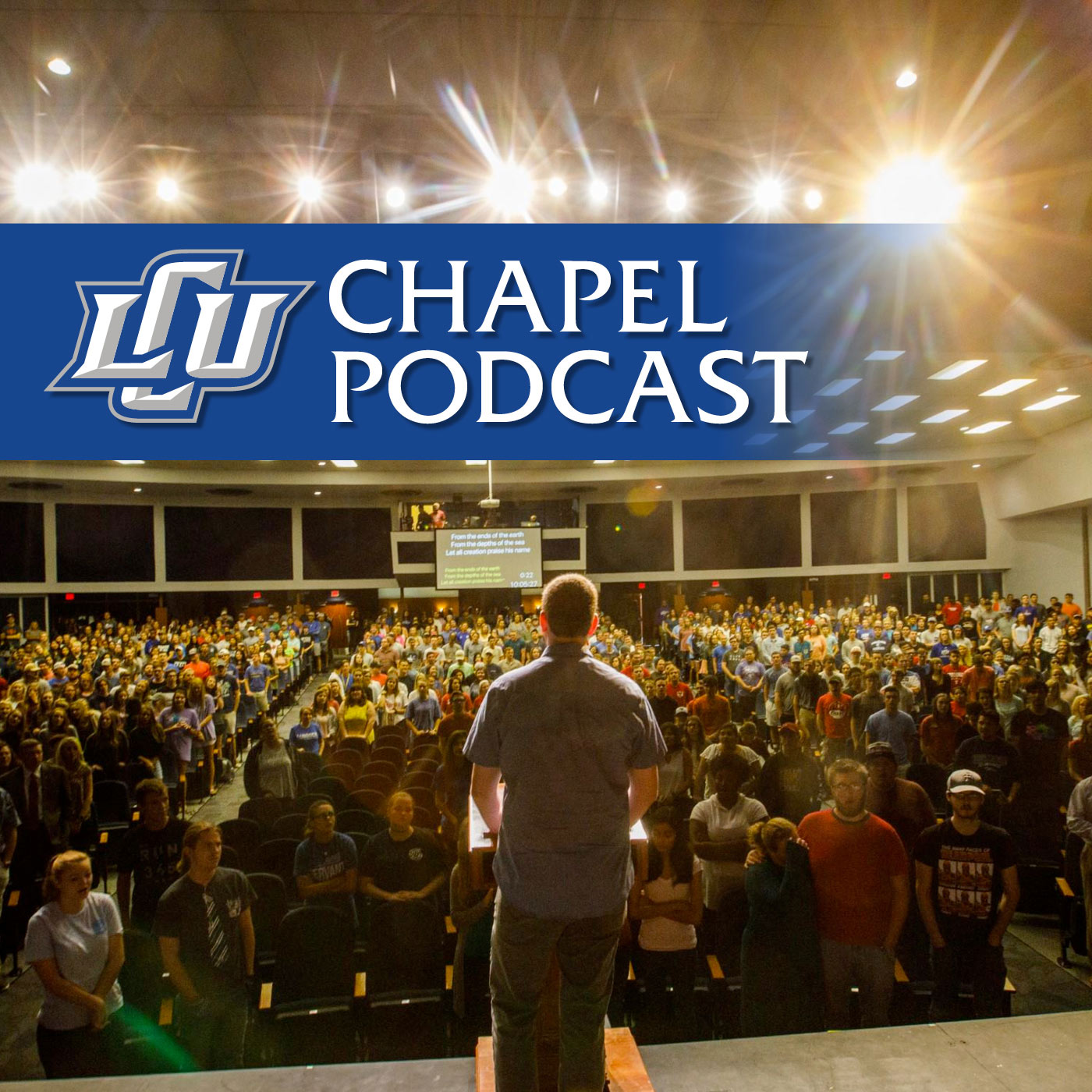
Monday, Tuesday, Thursday, and Friday in the McDonald Moody auditorium, campus family and friends make time for chapel, a time to celebrate relationships. Some chapel times will focus primarily on our relationship with God, while others will focus primarily on community with each other. Many chapel experiences will combine elements of both.
RSSFaith, Mental Health, and the Power of Community
Tuesday, Sep 8th, 2026Author : Shayla Bruce

Shayla Bruce discusses recognizing the warning signs of a mental health crisis, how to support someone who may be struggling, and the mental health resources available on campus.
Episode length 6:58 minutes